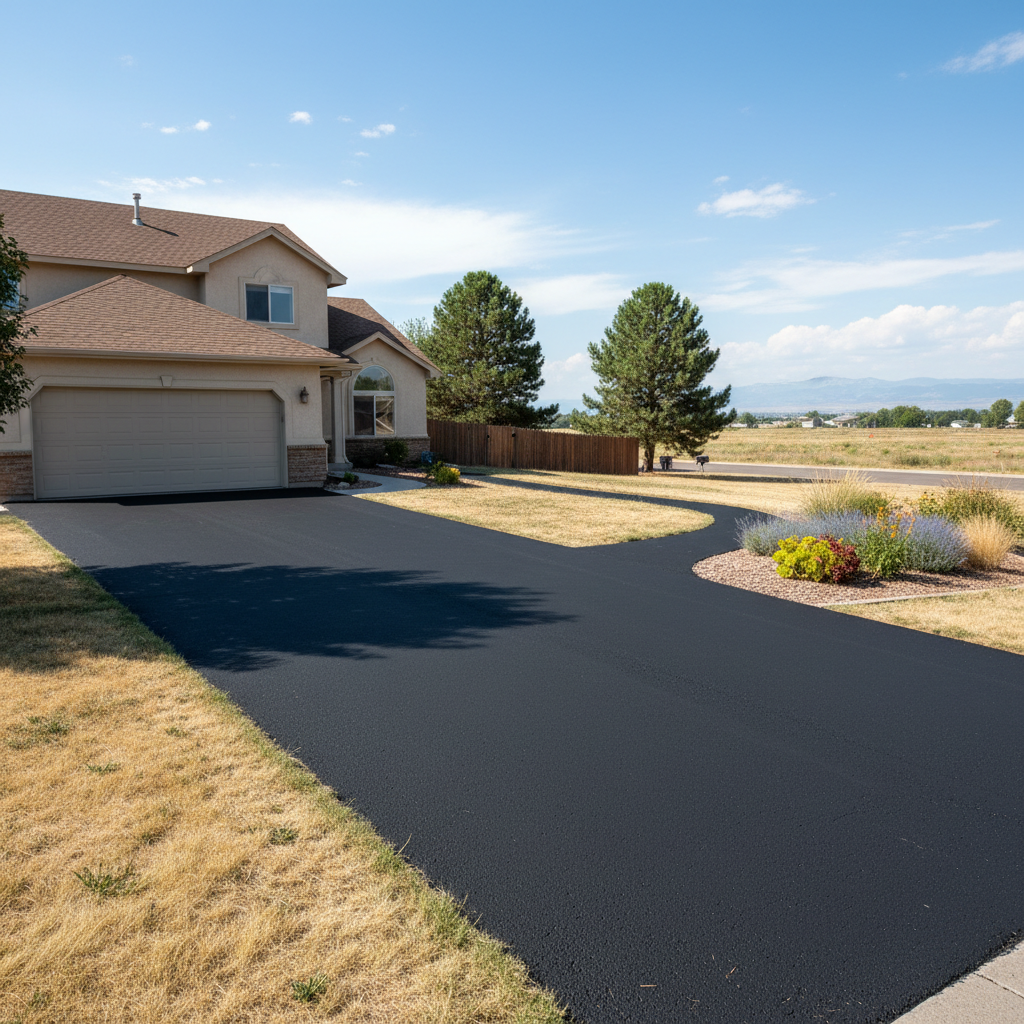
Alright, let's talk slurry coating. You've got an asphalt surface that's seen better days, maybe it's a little faded, got some minor cracks, or just needs a fresh, uniform look. Slurry coating isn't quite sealcoating, and it's definitely not repaving. It's a whole different beast, and it can do wonders for extending the life and improving the appearance of your asphalt if it's applied correctly. But like any good project, you gotta plan it out. Here’s what I tell folks around Greeley when they’re thinking about it.
When's the Best Time for Slurry Coating?
Timing is everything with this stuff. You can't just throw slurry down whenever you feel like it. We're talking about a water-based material that needs specific conditions to cure right. Here in Greeley, that means you're generally looking at late spring, summer, or early fall. We need consistent temperatures, usually above 50°F (and staying there overnight) for at least 24-48 hours after application. You also need a stretch of dry weather – no rain in the forecast for a few days. Our afternoon thunderstorms in July and August can be a real pain for these projects, so we're always watching the radar closely. Trying to rush it or do it too late in the season when those cold snaps start hitting can lead to a poor cure, and then you've just wasted your money.
What to Expect During the Slurry Coating Process
This isn't a one-day, in-and-out job like some sealcoating might be. Slurry coating is thicker, more involved, and requires more cure time. Here’s a general rundown:
- Surface Prep is Key: First, we've got to get that surface clean. That means sweeping, blowing off debris, and often pressure washing to remove dirt, oil, and loose aggregate. Any significant cracks or potholes need to be repaired beforehand – slurry won't fix structural issues, it'll just cover them up temporarily. If you've got a lot of weeds growing through your asphalt, we'll need to address those too.
- The Application: Slurry is typically applied in multiple layers, often two. It's a mix of emulsified asphalt, fine aggregates (sand), water, and some additives. It gets spread evenly over the surface using specialized equipment. It's thicker than sealcoat, so it fills in those minor surface imperfections and provides a new wearing course.
- Curing Time: This is where patience comes in. After application, the surface needs to cure. This usually means you'll be off your driveway or parking area for at least 24-48 hours, sometimes longer depending on temperature, humidity, and how many layers were applied. We'll give you a specific timeframe, but don't try to drive on it early. You'll just mess it up and have to pay for repairs.
- The Look: Once it's cured, you'll have a fresh, dark, uniform surface. It's got a bit more texture than a smooth sealcoat, which can be great for traction, especially on slopes.
How to Prepare Your Property
You've got a role to play too, to make sure things go smoothly and safely:
- Clear the Area: Move all vehicles, trailers, boats, basketball hoops, trash cans, and anything else off the asphalt surface and surrounding areas. This includes anything that might be parked on the street that could block access.
- Trim Vegetation: If you've got bushes or trees overhanging the edges, give them a trim. We don't want to get slurry on your prize-winning petunias, and we need clear access to the edges.
- Turn Off Sprinklers: Make sure your automatic sprinklers are off for at least 24 hours before we start and for a few days after. Water can ruin the curing process.
- Communicate: If you have any special instructions, like where to park your car during the cure time, or if there are any sensitive areas around your property, let us know well in advance.
- Plan for Access: Remember, you won't be able to use the coated area for a couple of days. Plan your schedule, parking, and deliveries accordingly. If you live in a neighborhood like the Cottonwood area with tight driveways, this planning is even more critical.
Questions to Ask Before You Sign That Contract
Don't just jump at the first price you get. Do your homework and ask these questions. Any reputable company, like Primetime Paving Co, will be happy to answer them:
- What specific type of slurry product do you use? There are different formulations. Understanding what they're applying can give you peace of mind.
- How many coats will you be applying? Two coats are pretty standard for a good, durable slurry job.
- What's your surface preparation process? Get details. Do they clean thoroughly? Do they address cracks and oil spots?
- What's the estimated cure time before I can drive on it? Get a clear timeframe in writing.
- What kind of warranty or guarantee do you offer on your work? A good contractor stands behind their product and application.
- Can you provide references from other Greeley homeowners? Seeing their work and hearing from past clients is invaluable.
- Are you licensed and insured? Don't ever hire someone who isn't. It protects you if something goes wrong.
- What's included in the price? Make sure there are no hidden fees for things like crack filling or edge work.
Slurry coating can be a fantastic investment for your asphalt, giving it a fresh lease on life and protecting it from the elements. Just make sure you understand the process, prepare your property, and work with a contractor who knows what they're doing. It'll save you headaches down the road, I promise you that.