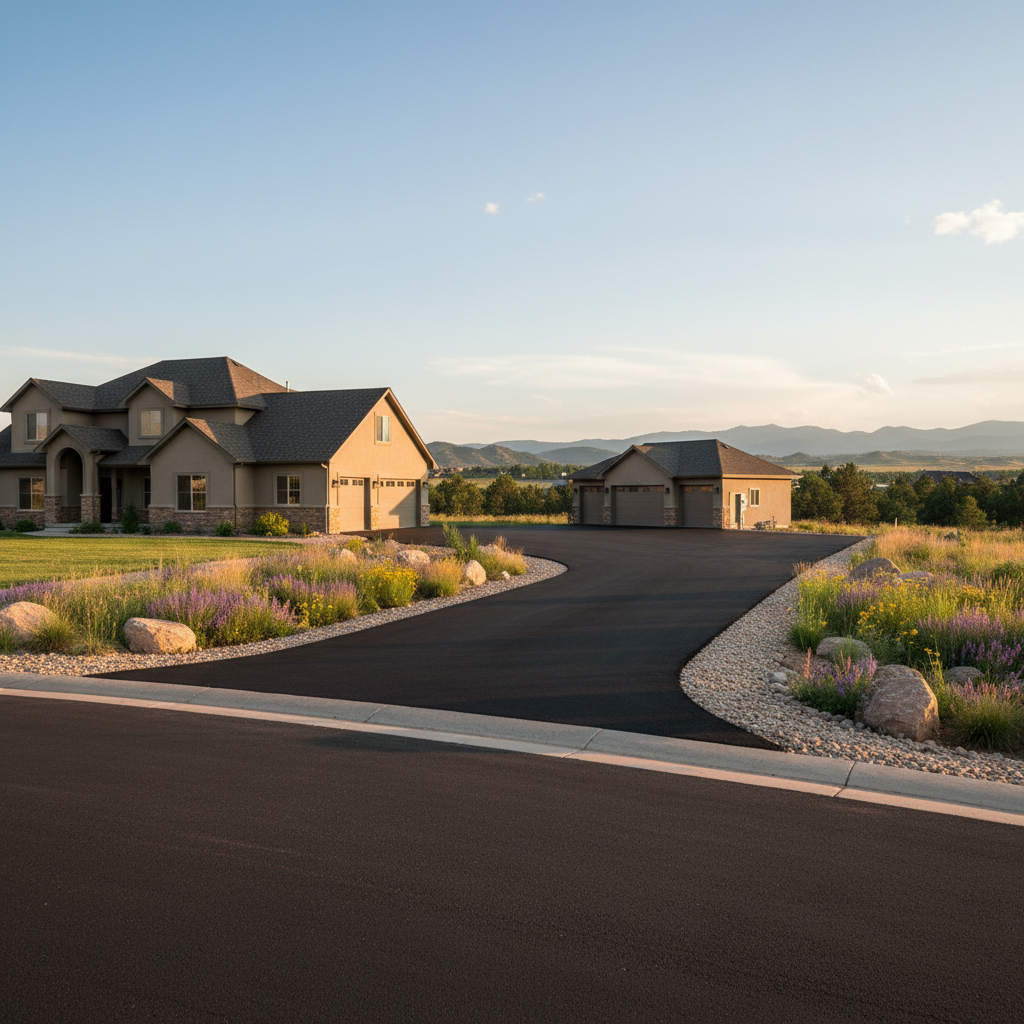
Planning a commercial asphalt project, whether it's for a small business parking lot, an HOA common area, or a new development, is a big deal. It's not just about getting a good price; it's about getting a good job that lasts. You've got a lot riding on this, and I've seen plenty of projects go sideways when folks don't know what to look for. Let's make sure yours isn't one of them.
Understanding Your Project Timeline
So, how long does this whole thing take? Well, it's not an overnight job, that's for sure. From your first call to the final stripe, you're usually looking at a few weeks to a few months, depending on the scale and complexity.
- Initial Contact & Site Visit: This is step one. You call us, we set up a time to come out and look at your property. We'll measure, assess the existing conditions, and talk through what you're trying to achieve. This usually happens within a few days to a week of your call.
- Proposal & Contract: After the site visit, we'll put together a detailed proposal. This can take a few days. Once you've reviewed it, asked your questions, and we've ironed out any details, signing the contract can happen pretty quickly.
- Scheduling: This is where the weather in Greeley really plays a role. We can't pave in freezing temperatures, and heavy rain can delay things. We'll work with you to find a good window. Depending on our current workload and the season, this could be a couple of weeks to a month or more out.
- Construction Phase: The actual work on site. For a typical parking lot, demolition, grading, base preparation, paving, and striping usually takes anywhere from a few days to two weeks. Larger projects will obviously take longer.
- Curing Time: Once the asphalt is down, it needs to cure. You can't just drive on it immediately. We'll give you specific instructions, but generally, you'll need to keep heavy traffic off it for at least 24-72 hours, sometimes longer for heavy trucks.
It's a process, and good communication with your contractor is key to keeping it on track.
What to Expect During the Process
When the crew shows up, things are going to get busy. Here's a rundown of what you'll see and hear:
- Noise and Dust: Demolition and grading are loud. Expect heavy machinery, beeping, and some dust. We do our best to minimize it, but it's part of the job.
- Restricted Access: For safety and to allow us to work efficiently, parts of your property will be inaccessible at times. We'll coordinate with you on phasing to minimize disruption to your business or residents. This is especially important if you're a business owner in, say, the Westlake neighborhood, where parking is already tight.
- Equipment and Materials: You'll see dump trucks, pavers, rollers, and piles of aggregate. It's a construction site! We'll manage it all, but be aware of the footprint.
- Professional Crew: Our folks at Primetime Paving Co. are pros. They'll be focused on their work, following safety protocols, and keeping the site tidy. Don't hesitate to ask the foreman if you have a quick question on site, but for major concerns, it's best to go through your main contact.
How to Prepare Your Property
Your preparation can make a big difference in how smoothly the project goes. Here's what you need to do:
- Clear the Area: Remove all vehicles, equipment, planters, or anything else from the work zone. If there are items that can't be moved, point them out during the initial site visit so we can plan around them.
- Inform Stakeholders: If it's a business, let your customers and employees know about the upcoming work and any access changes. For an HOA, communicate with residents well in advance. Post signs, send emails – over-communicate!
- Mark Utilities: While we'll call 811 to get public utilities marked, you're responsible for marking any private utilities like irrigation lines, private gas lines, or landscape lighting buried in the work area. If we hit something unmarked, that's on you.
- Plan for Access: Think about how people will get in and out if access is restricted. Do you need temporary walkways or alternative parking?
Crucial Questions Before You Sign
Don't just jump into a contract. Ask these questions:
- What's the exact scope of work? Make sure every detail is written down: square footage, depth of asphalt, number of layers, type of base material, drainage considerations, striping, etc.
- What's included in the price, and what's extra? Are permits included? Hauling away old material? Repairing unforeseen subgrade issues? Get it all in writing.
- What's your warranty? A reputable contractor will stand behind their work. Understand what's covered and for how long.
- Can you provide references for similar commercial projects? Talk to other business owners or property managers they've worked for.
- Are you licensed and insured? This is non-negotiable. Ask for proof of liability insurance and workers' compensation. You don't want to be on the hook if someone gets hurt on your property.
- How do you handle unexpected issues? Sometimes we find things once we start digging – bad soil, old foundations. How will that be communicated, and how will it affect the timeline and budget?
- What's the payment schedule? Typically, there's a deposit, progress payments, and a final payment upon completion. Make sure you're comfortable with it.
Choosing the right contractor is probably the most important decision you'll make. Take your time, do your homework, and ask the tough questions. It'll save you headaches and money down the road.